
Udawalawe National Park: The Best Place in Sri Lanka to See Elephants
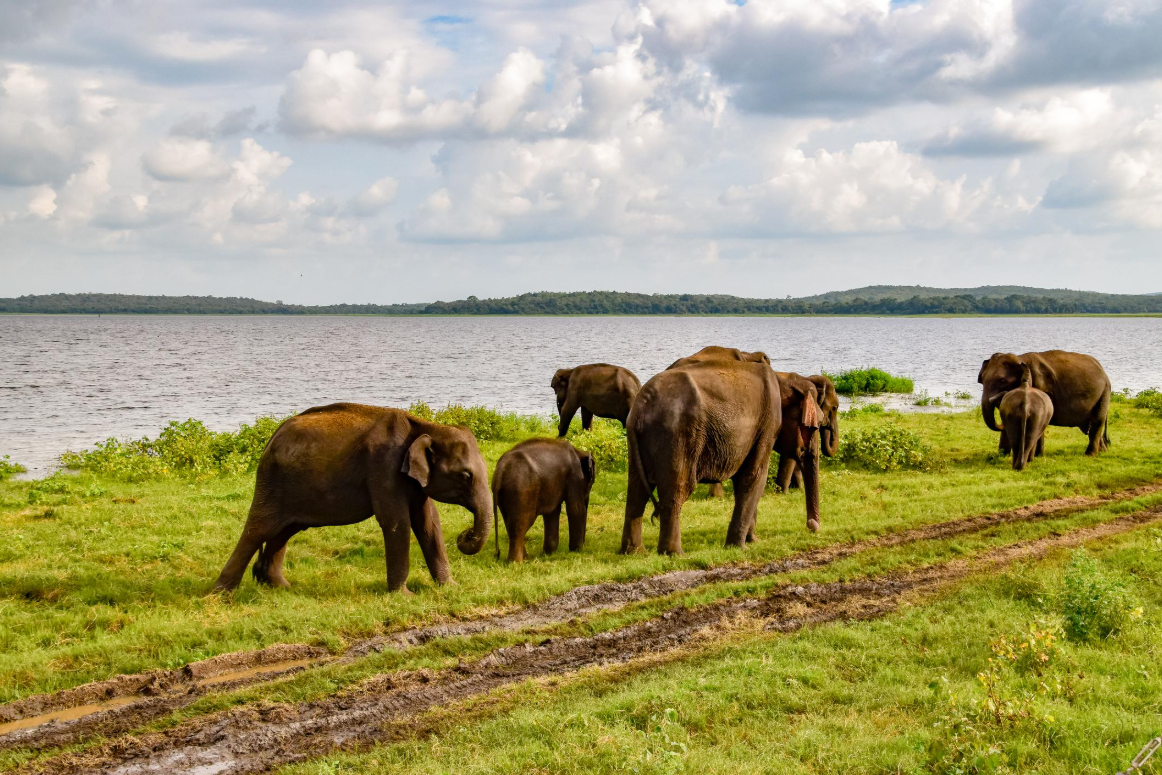
Imagine travelling along a dusty track as the morning sun spreads across open grassland. A little way ahead, a family of wild elephants emerges from the trees. A calf stays close to its mother while the adults pull at branches and feed. There is no show or staged encounter, just elephants living in their natural surroundings.
For many visitors, seeing Udawalawe National Park elephants is one of the most memorable experiences of a Sri Lankan holiday. The park's open landscape, reservoir and extensive grasslands make wildlife easier to spot than in some densely forested reserves. Elephants can be seen throughout the year, making Udawalawe a particularly appealing destination for first-time safari visitors.
This guide explains why Udawalawe is so well known for elephants, what to expect from the Elephant Transit Home, and how to choose the best time for your safari. With a little planning, you can enjoy an authentic wildlife experience without rushing through one of Sri Lanka's most rewarding natural destinations.
Why Is Udawalawe National Park Famous for Elephants?
Located in southern Sri Lanka, Udawalawe National Park was established in 1972 to protect the area around the Udawalawe Reservoir and provide a habitat for wildlife. Today, it is widely recognised as one of the country's best places to observe wild Asian elephants.
One important reason is the landscape. Unlike thick tropical forests, Udawalawe has extensive grasslands, scrubland and open areas around the reservoir. You may spot elephants feeding in the distance, walking along a track or gathering near water.
The reservoir supports the surrounding ecosystem, while the open terrain offers relatively clear sightlines for safari visitors. This combination makes elephant encounters possible without spending hours searching through dense vegetation.
How Many Elephants Are in Udawalawe National Park?
Estimates vary, but Udawalawe is commonly described as supporting a population of several hundred wild elephants. The exact number depends on the survey method, the area covered and the movement of animals between habitats, so figures should be treated as estimates rather than a live count.
For visitors, the more useful fact is that elephants are a central feature of the park's wildlife. You might encounter a solitary bull, a small family group or several elephants grazing together.
Sightings are never guaranteed, however. These are wild animals moving freely through their habitat, and responsible safari operators will not promise a particular number of encounters.
What Makes Udawalawe Different From Other Safari Parks?
Sri Lanka has several excellent national parks, but each offers a different experience. Yala is particularly famous for leopard sightings, while Minneriya is associated with seasonal elephant gatherings around its reservoir.
Udawalawe is especially attractive if your main priority is seeing elephants in their natural environment. The open terrain makes animals easier to observe, and a half-day game drive can provide a rewarding introduction to Sri Lankan wildlife.
You may also see water buffalo, spotted deer, sambar deer, crocodiles, monkeys and a variety of birds. Leopards occur in the park, but sightings are less predictable than elephant encounters, so consider one a bonus rather than the main reason to visit.
For travellers deciding between parks, Gecko Travels Lanka's Sri Lanka wildlife and safari tours offer a useful overview of destinations and possible wildlife experiences.
Your Udawalawe Safari Guide: Morning or Afternoon?
Choosing the right safari time can make a noticeable difference to your comfort and overall experience. Both morning and afternoon drives can be rewarding, depending on the weather, your travel plans and the animals' movements.
Early-Morning Safari
An early start is ideal if you enjoy cooler temperatures and the quiet atmosphere of the park before the day becomes hot. Depending on the arrangements, you may leave your accommodation before sunrise or around first light.
The soft morning light is excellent for photography, particularly when elephants stand against pale grass or move near the reservoir. Birds are also active, and the cooler conditions make sitting in an open jeep more comfortable.
If you are travelling from Ella or the southern coast, consider staying near Udawalawe the previous night. A long drive before dawn can leave you tired before the safari even begins.
Afternoon Safari
An afternoon drive suits travellers who prefer a slower morning. As the heat begins to ease, the softer light can create beautiful photographs, and you may encounter elephants feeding or moving through open areas.
An afternoon safari can also fit well around a visit to the Elephant Transit Home, provided you confirm the current feeding schedule and arrange the order of activities carefully.
Which Safari Should You Choose?
For a first visit, choose the time that allows you to arrive rested and enjoy the experience without rushing. Early morning is often more comfortable, while late afternoon can be attractive for photography.
Neither option guarantees better sightings. Weather, animal movement and the experience of your safari guide all influence what you see.
The Elephant Transit Home: A Different Kind of Elephant Experience
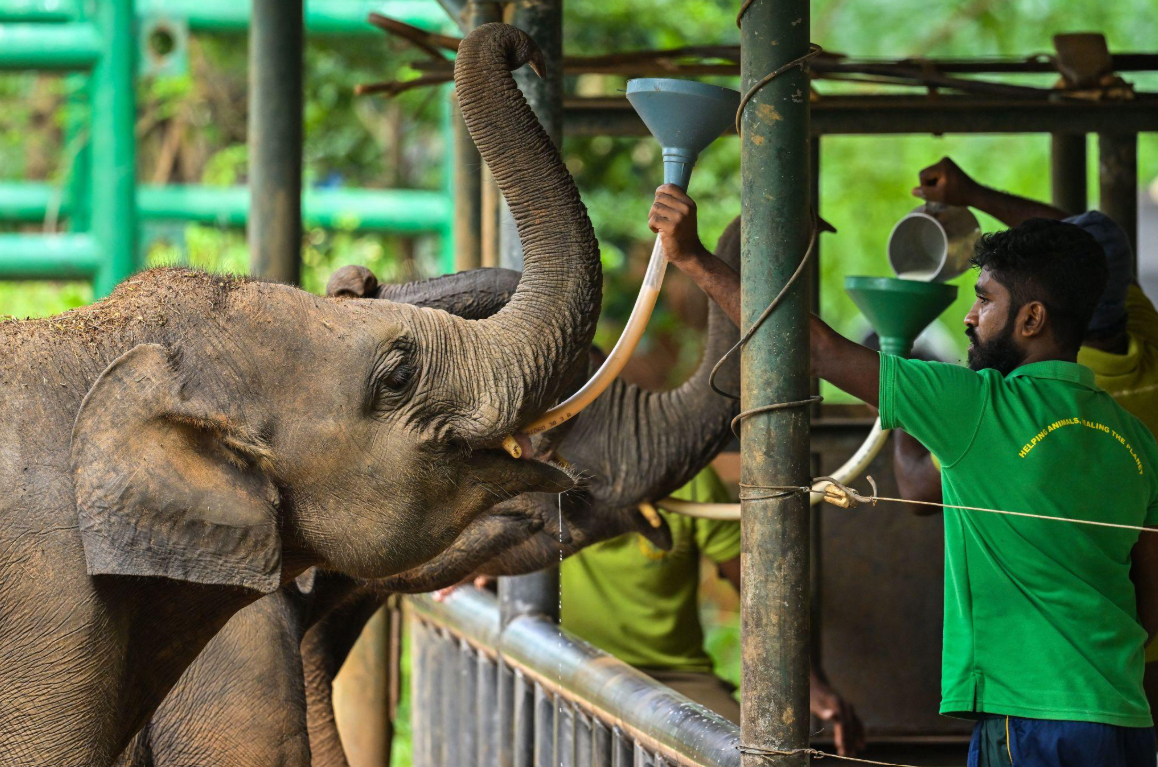
Just outside the national park is the Elephant Transit Home, also known as Ath Athuru Sevana. Established in 1995, the facility is managed by Sri Lanka's Department of Wildlife Conservation and cares for orphaned elephant calves with the aim of returning suitable animals to the wild.
The centre provides a different perspective from a game drive. Instead of watching adult elephants roaming freely, visitors can observe young calves receiving care while learning about rehabilitation and conservation.
What Happens During a Visit?
Visitors watch scheduled feeding sessions from a designated viewing area. The calves come forward for milk while staff manage the process, allowing visitors to observe their behaviour without direct contact.
The centre's purpose is rehabilitation, not entertainment. Visitors should not expect to touch, bathe or feed the elephants themselves. Limiting unnecessary human interaction helps the calves retain the behaviours they need for life in the wild.
For families, the experience can be especially meaningful. Children can see young elephants at close range while learning why orphaned animals sometimes need help before they can survive independently.
How Is It Different From Pinnawala?
The Elephant Transit Home and Pinnawala Elephant Orphanage operate under different models. The Transit Home focuses on rehabilitation and potential release into the wild, while Pinnawala is a long-established elephant facility with a different approach to keeping elephants in human care.
If conservation is important to you, learn about the Transit Home's rehabilitation work before visiting. The International Union for Conservation of Nature's case study on rehabilitating orphaned Asian elephant calves in Sri Lanka explains the principles behind this approach, including preparing calves for release and monitoring them afterwards.
When Should You Visit?
Feeding sessions take place at scheduled times, but timetables can change. Confirm the latest public viewing arrangements with a reliable local contact before planning your day.
You can often combine the centre with a morning or afternoon safari. Leave enough time between activities, and avoid assuming that a feeding session will automatically fit your preferred jeep departure.
When Is the Best Time to See Udawalawe National Park Elephants?
One of Udawalawe's biggest advantages is that elephants can be seen throughout the year. You do not need to plan your entire Sri Lankan holiday around one short wildlife season.
However, weather and landscape conditions influence the experience. During drier periods, changes in grass and water availability can affect where wildlife gathers, and open areas may offer particularly good viewing opportunities. The landscape can look greener during wetter months, although rain may affect road conditions and visibility.
Rather than treating one month as a guarantee, consider your wider travel plans. If your dates are fixed, ask your accommodation or safari operator about recent conditions and choose a drive that suits the forecast.
For a Sri Lanka elephant safari, patience matters just as much as timing. Give your guide time to observe animal movement, and remember that a respectful encounter from a distance is preferable to crowding elephants for a close photograph.
What Other Animals Can You See?
Although elephants are the main attraction, Udawalawe supports a variety of wildlife. Keeping an eye on the landscape between elephant sightings often makes the safari more interesting.
Water buffalo: Often seen grazing or resting around wetlands and the reservoir.
Spotted deer: May appear in open areas, sometimes sharing the landscape with elephants.
Sambar deer: These larger deer can be found around woodland edges.
Crocodiles: Look around suitable water habitats, particularly near the reservoir.
Monkeys: Toque macaques and other primates may appear near trees and forest edges.
Birdlife: Eagles, storks, kingfishers and other species add movement and colour to the grasslands and wetlands.
Leopards and other elusive mammals also inhabit the region, but sightings are unpredictable. If you are especially interested in leopards, discuss your priorities with your guide and consider whether another national park would complement your itinerary.
Sometimes the most memorable moments are not the rarest sightings. Watching a mother elephant guide her calf across a track or seeing birds rise from the water as the jeep approaches can be just as rewarding.
How Long Should You Spend in Udawalawe?
For many travellers, one night and a half-day safari are enough to enjoy the park without rushing. If you also want to visit the Elephant Transit Home, plan your timings in advance.
A simple itinerary could look like this:
Day 1: Travel from Ella or the southern coast to Udawalawe, settle into your accommodation and enjoy a relaxed evening.
Day 2: Take an early-morning jeep safari, then visit the Elephant Transit Home if the confirmed schedule works with your onward journey.
You could also arrive early, complete a morning safari and visit the Transit Home later, depending on feeding times and transport arrangements.
Udawalawe fits naturally into routes connecting the hill country with southern Sri Lanka. It can work well between Ella and destinations such as Tangalle, Mirissa or Galle, depending on your starting point and schedule.
For a longer holiday, the 22-day Sri Lanka Unplugged private round tour includes the Elephant Transit Home and wildlife encounters alongside hill-country scenery, cultural sites and coastal relaxation.
Practical Tips for a Responsible Elephant Safari
A little preparation helps you enjoy the experience while respecting the animals and their habitat.
Choose a responsible jeep operator: Look for drivers who respect park rules and do not chase or crowd elephants.
Bring sun protection: A hat, sunscreen, sunglasses and drinking water are useful during open-vehicle drives.
Wear comfortable clothing: Lightweight clothes are suitable, with a light layer for an early start.
Take binoculars if available: They help you observe wildlife without asking the driver to move closer.
Protect your camera: Dust can be considerable on dry tracks, so keep equipment covered while the jeep is moving.
Follow your guide's instructions: Stay inside the vehicle unless specifically permitted to leave it.
Never feed or touch wild elephants: Human food and close contact can create dangerous situations for both animals and people.
Be patient: A good wildlife encounter cannot be scheduled. Allow your guide to observe animal behaviour instead of insisting on a close approach.
Human-elephant conflict is also an important part of Sri Lanka's conservation story. Habitat changes and encounters between elephants and people can have serious consequences for both communities and wildlife. The Department of Wildlife Conservation provides information about Sri Lanka's protected areas and wildlife conservation responsibilities.
Responsible tourism cannot solve every conservation challenge, but visitors can help by choosing ethical operators, following park rules and supporting experiences that respect wild animals.
Frequently Asked Questions
Where is it best to see elephants in Sri Lanka?
Udawalawe is one of the strongest choices for travellers hoping to observe wild elephants in open landscapes. Minneriya is another popular destination, particularly during its seasonal elephant gathering. The best choice depends on your route, travel dates and wider wildlife interests.
How many elephants are in Sri Lanka in 2026?
There is no single live count that should be treated as an exact figure for 2026. National estimates depend on survey methods and the areas covered. For current figures, check recent announcements from Sri Lanka's wildlife authorities rather than relying on an undated online estimate.
Is Udawalawe suitable for children?
Yes. Many families enjoy Udawalawe because elephants are the main attraction and the open landscape can make wildlife easier to observe. Choose a suitable safari duration, bring sun protection and water, and explain to children why the jeep must remain quiet and keep its distance from animals.
Is an elephant sighting guaranteed?
No. Udawalawe offers excellent opportunities to see elephants, but they remain wild animals and their movements cannot be controlled. A responsible operator will explain the possibilities without promising a particular sighting.
Final Thoughts: Make Time for Udawalawe
Watching wild elephants going about their day is a powerful experience, and Udawalawe offers one of Sri Lanka's best opportunities to see them in their natural surroundings. Its open grasslands, reservoir landscape and strong elephant-viewing reputation make it a rewarding stop for first-time visitors and experienced wildlife enthusiasts alike.
Add the Elephant Transit Home for a different perspective on rehabilitation, and allow enough time to enjoy both experiences without rushing. With a thoughtful plan, a knowledgeable guide and realistic expectations, seeing Udawalawe National Park elephants can become one of the most memorable parts of your Sri Lankan holiday.
If you are planning a private journey around the island, Gecko Travels Lanka can help you fit Udawalawe into a route that balances wildlife, cultural discoveries and time to unwind.