
Trincomalee Travel Guide: Beaches, History, and Hidden Coves
Sri Lanka’s eastern coastline has a different kind of magic. Here, the ocean shifts between shades of turquoise and deep blue, fishing boats move across a vast natural harbour, and ancient temples stand above cliffs overlooking the sea. Trincomalee brings these experiences together in a destination that feels both historically rich and wonderfully relaxed.
This Trincomalee travel guide explores more than the familiar beach stops. You’ll discover the story behind the harbour, the spiritual significance of Koneswaram Temple, beautiful stretches of sand and quieter coastal corners that are worth seeking out.
Whether you’re planning a beach holiday, travelling as a couple or adding the east coast to a longer Sri Lankan journey, Trincomalee offers plenty to explore without rushing from one attraction to another. The secret is allowing enough time to enjoy its coastline and history at a comfortable pace.
Why Visit Trincomalee?
Trincomalee, often called Trinco, lies on Sri Lanka’s northeastern coast. It combines a working coastal town with historic landmarks, religious sites, marine activities and long beaches that are particularly appealing during the east coast’s drier months.
Unlike destinations where the beach is the main attraction, Trincomalee gives you several different experiences within a relatively compact area. You can explore a colonial-era fort in the morning, visit a sacred Hindu temple overlooking the ocean, enjoy a seafood lunch and spend the afternoon beside the water.
The surrounding coastline is equally appealing. Nilaveli is known for its pale sand and access to Pigeon Island Marine National Park, while Uppuveli offers a more developed beachfront atmosphere. Other coastal stretches provide opportunities to slow down and enjoy the sea away from the busiest visitor areas.
Trincomalee is also a rewarding stop for travellers exploring Sri Lanka’s Cultural Triangle. After visiting ancient cities such as Anuradhapura or Polonnaruwa, the coast provides a refreshing change of scenery.
Trincomalee Harbour History: Why the Port Matters
One of the most fascinating parts of Trincomalee is its harbour. The deep natural inlet has long attracted sailors, traders and naval powers because of its strategic position along the Indian Ocean.
The harbour is not simply a scenic backdrop. Its geography helps explain much of the town’s history, from regional maritime connections to European colonial competition. Portuguese, Dutch, French and British powers all had interests in controlling this important coastal location.
You can learn more about the area's historical significance through the Central Cultural Fund’s information about Fort Frederick. The fort offers a tangible connection to the colonial period, while the surrounding headland provides views across the harbour and coastline.
Exploring Fort Frederick
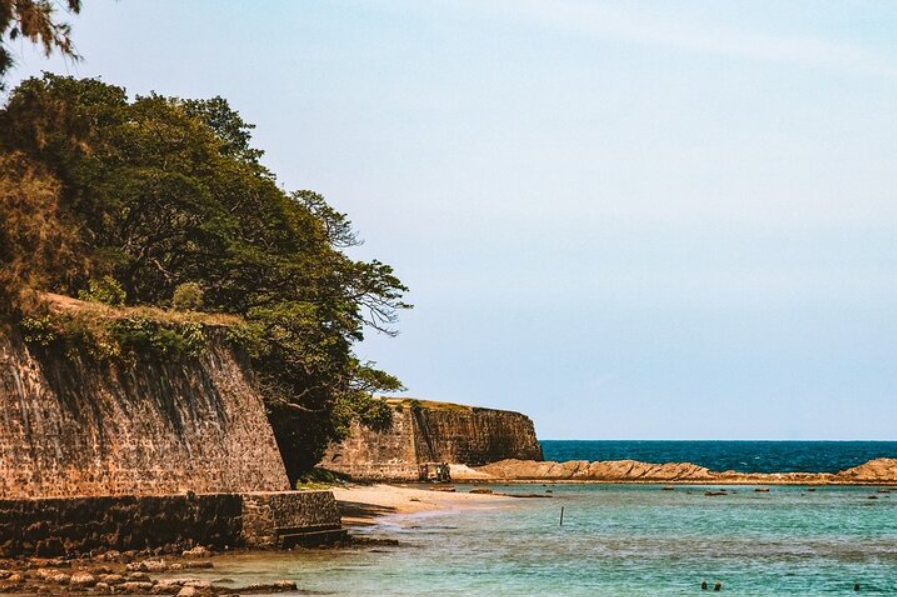
Fort Frederick stands near the entrance to the headland leading towards Koneswaram Temple. Walking through its gates takes you into a historic area where military architecture, mature trees and coastal scenery come together.
The fort is still a military area, so visitors should follow local instructions and respect restricted spaces. Spotted deer can sometimes be seen around the grounds, adding an unexpected wildlife encounter to the visit.
For the best experience, allow time to explore rather than treating the fort as a quick photograph stop. The headland’s views help you appreciate why this location mattered to successive powers.
Koneswaram Temple: A Sacred Landmark Above the Sea
No Trincomalee travel guide would be complete without Koneswaram Temple. Perched on Swami Rock, this revered Hindu temple occupies a dramatic position above the Indian Ocean, with sweeping views of the water below.
The temple is an important place of worship dedicated to Lord Shiva and is associated with a long history of religious significance. Its setting makes the visit memorable even for travellers who are primarily interested in architecture, local culture or coastal scenery.
The approach takes you through the Fort Frederick area towards the headland. Along the way, you’ll find ocean viewpoints and places to pause for photographs. Once at the temple, the atmosphere changes: visitors come to pray, make offerings and take part in religious traditions.
What to Know Before Visiting
Dress modestly, covering your shoulders and knees, and be prepared to remove your footwear where required. As this is an active religious site, keep noise low and follow any instructions from temple staff.
Try to avoid treating the temple solely as a viewpoint. Taking a little time to observe the rituals and understand its importance to worshippers makes the experience more meaningful.
The combination of sacred heritage, cliffside scenery and the sound of the ocean makes Koneswaram one of Trincomalee’s most distinctive attractions.
Discover the Best Trincomalee Beaches
The Trincomalee beaches are a major reason travellers visit the region, but each stretch of coastline has its own atmosphere. Choosing where to spend your time depends on whether you prefer quiet sand, beachfront restaurants, snorkelling or simply an unhurried swim.
Nilaveli Beach
Nilaveli is one of the best-known beaches in the area, appreciated for its broad sandy shoreline, tropical scenery and access to Pigeon Island. It is a strong choice for travellers who want to spend several days beside the sea rather than squeeze beach time into a single afternoon.
The beach is especially appealing during the east coast’s favourable season, when conditions are generally better for swimming and boat trips. Even so, sea conditions can change, so check local advice before entering the water.
For more specific information about the beach, marine activities and nearby attractions, explore the Nilaveli Beach and Pigeon Island destination guide. It provides a useful companion to this wider Trincomalee travel guide, particularly if you are deciding how much time to dedicate to Nilaveli.
Uppuveli Beach
Uppuveli is closer to Trincomalee town and has a more social, developed beach atmosphere. You’ll find accommodation, restaurants and places to sit down for a meal after a swim or a walk along the shore.
It suits travellers who enjoy having facilities close by without staying in a busy city centre. Couples may appreciate its relaxed evenings, while families can find it convenient for combining beach time with town sightseeing.
As with any beach, check the water conditions before swimming, particularly if waves or currents appear stronger than expected.
Marble Beach
Marble Beach is known for its scenic setting and clear-looking water. It can be an attractive choice for visitors seeking a coastal stop away from the busier beachfront areas.
Access arrangements and facilities may vary, so check current local information before travelling there. It is worth planning ahead rather than assuming every beach has the same public access or services.
Pigeon Island Marine National Park
For many visitors, a boat trip to Pigeon Island is a highlight of the east coast. The marine national park is known for its coral reef habitat and opportunities to observe tropical marine life while snorkelling.
You may encounter colourful reef fish, and sightings of turtles or reef sharks are possible, although wildlife encounters are never guaranteed. Visibility and sea conditions can also vary.
Choose a responsible local operator, follow the guide’s safety instructions and avoid touching coral or disturbing marine animals. Reef-safe sun protection and careful behaviour help reduce your impact on this sensitive environment.
Hidden Coves and Quieter Coastal Corners
Beyond the best-known beaches, the wider Trincomalee coastline has smaller bays and quieter stretches that can feel wonderfully removed from the usual sightseeing route. Some are little more than sandy pockets between rocky headlands; others are local fishing areas where daily life continues at its own pace.
Finding these places is less about following a fixed list of secret spots and more about exploring thoughtfully. Ask a local guide about accessible coastal viewpoints, quieter beach sections and suitable places to stop along your route. Some areas may be privately managed, difficult to access or unsuitable for swimming.
If you discover a peaceful stretch of sand, respect fishing activities, avoid leaving rubbish behind and keep a comfortable distance from boats and equipment. These simple considerations help preserve the coastline for residents as well as visitors.
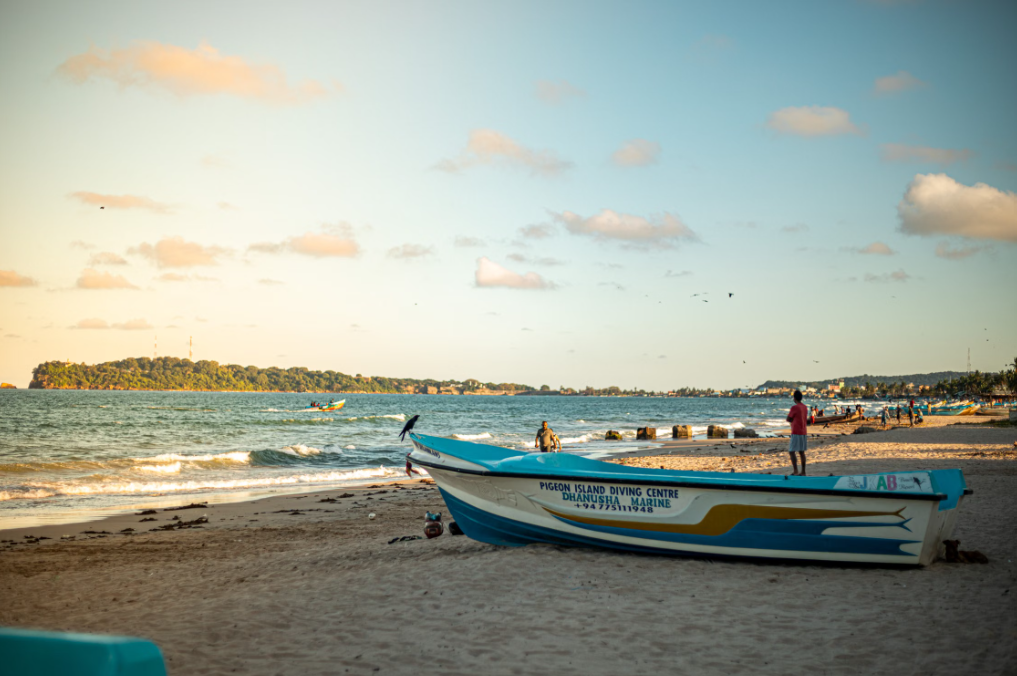
A slower approach can make the area feel more rewarding. Rather than visiting several beaches in quick succession, choose one or two that suit your interests and give yourself time to enjoy them.
Kanniya Hot Springs and Local Life
If you want to add something different to your beach itinerary, consider visiting Kanniya Hot Springs, located inland from Trincomalee. The site is known for its series of small wells associated with local traditions and stories.
It is a cultural stop rather than a major spa experience, so keep expectations realistic and check local access conditions before visiting. Its appeal lies in seeing another part of the region beyond the coastline.
You can also spend time exploring Trincomalee town itself. Visit local shops, sample Sri Lankan food and observe the everyday rhythm of a coastal community. Fresh seafood is a natural highlight, with fish and crab dishes appearing on many local menus.
These quieter experiences add context to the destination. Trincomalee is not only a place for visitors to enjoy beaches; it is also a working town with religious traditions, fishing communities and a history shaped by the sea.
When Is the Best Time to Visit Trincomalee?
For most beach-focused trips, the east coast’s main favourable season is generally April to September. During these months, Trincomalee often experiences sunnier weather and more suitable conditions for beach activities than Sri Lanka’s southwest coast, which is affected by a different monsoon pattern.
Conditions vary from year to year, however, and no season guarantees calm seas every day. If snorkelling, swimming or boat trips are priorities, check the local forecast and operator advice close to your travel dates.
Outside the main season, Trincomalee may still appeal to travellers interested in temples, local culture and harbour history. You should simply allow more flexibility in your plans, particularly when outdoor or marine activities depend on the weather.
When planning your Trincomalee travel guide itinerary, consider the type of holiday you want. If you are mainly interested in swimming, beach relaxation and Pigeon Island, aim for the more favourable east coast season. If your priorities are cultural sightseeing and a broader Sri Lankan route, you may have more flexibility.
How Many Days Do You Need in Trincomalee?
For most visitors, two to three days is a practical starting point. It gives you enough time to see the main historic landmarks, enjoy at least one beach and arrange a marine excursion without making every day feel rushed.
Here is one way to organise your stay:
Day 1: Explore Fort Frederick and Koneswaram Temple, then spend the late afternoon at Uppuveli or another convenient beach.
Day 2: Head to Nilaveli and, if conditions permit, take a boat trip to Pigeon Island. Leave time to relax on the beach afterwards.
Day 3: Visit Kanniya Hot Springs or explore more of the coastline before continuing your journey.
If you only have one day, focus on the fort, temple and one beach. With four or more days, you can slow the pace, allow for changing sea conditions and spend more time exploring the wider coastal region.
Trincomalee can also fit into a longer route through Sri Lanka’s Cultural Triangle and eastern coastline. Travellers who prefer a more flexible itinerary can explore tailor-made private Sri Lanka tours to see how destinations can be combined around their interests and available time.
Getting to Trincomalee
Trincomalee can be reached by road from several major destinations in Sri Lanka, including the Cultural Triangle and Colombo. Travel times depend on your starting point, traffic and road conditions, so allow enough time for the journey rather than planning activities too tightly around your arrival.
Buses and trains may be suitable depending on your route and schedule. Travellers who want to visit several attractions across the region may prefer arranging transport in advance, particularly if they are travelling with children or carrying beach and snorkelling equipment.
Once there, think about how you will move between town, the fort, Koneswaram Temple, Nilaveli and other coastal stops. Having a clear plan helps you spend more time enjoying the destination and less time arranging transport on the day.
Practical Tips for Your Visit
A little preparation can make your time on the east coast more comfortable.
Bring sun protection: The coastal sun can be strong, particularly around midday. Carry sunscreen, a hat and drinking water.
Dress respectfully: Cover shoulders and knees when visiting Koneswaram Temple and other religious sites.
Check marine conditions: Confirm sea conditions and boat arrangements before snorkelling or booking an excursion to Pigeon Island.
Protect the environment: Do not touch coral, feed marine wildlife or leave rubbish on the beach.
Carry some cash: Smaller local businesses may not accept cards, although payment options vary.
Allow for flexibility: Weather, transport and boat schedules can change. Avoid packing too many activities into one day.
Respect local communities: Ask before photographing people, and be mindful around fishing areas and religious ceremonies.
These details may seem small, but they help you experience Trincomalee more comfortably and respectfully.
Is Trincomalee Worth Visiting?
Absolutely, especially if you want a Sri Lankan destination that combines history, spirituality and beach time without relying on a single attraction. The harbour tells the story of the region’s strategic importance, Koneswaram Temple offers a powerful cultural experience, and the surrounding coastline gives you plenty of opportunities to relax.
The best Trincomalee travel guide is one that leaves room for both exploration and downtime. You do not need to visit every beach or fill every hour with sightseeing. Choose the places that interest you, allow time for the unexpected and enjoy the slower rhythm of the east coast.
For a well-rounded visit, combine the historic headland with Nilaveli or Uppuveli, then leave space for a boat trip or a quieter coastal stop if conditions allow. Whether you stay for two nights or build Trincomalee into a longer island journey, the mix of blue water, layered history and local life makes it a rewarding part of Sri Lanka to discover.