
Yala vs Wilpattu vs Udawalawe: Which Sri Lankan Safari Park Should You Visit?
Sri Lanka is one of those rare destinations where a morning safari can bring you face-to-face with an elephant, a leopard resting in the shade or a crocodile lying motionless beside a pool. The challenge is deciding where to go. With several excellent wildlife parks on the island, choosing the right one can make a real difference to your holiday.
The debate around Yala vs Wilpattu vs Udawalawe usually comes down to three things: which animals you most want to see, how you feel about sharing sightings with other safari vehicles, and which park fits your route. Yala is famous for leopards, Wilpattu offers expansive forest and natural lakes, and Udawalawe is particularly rewarding for elephant enthusiasts.
There is no single winner for every traveller. This guide compares the three parks honestly, including wildlife, landscape, visitor atmosphere, seasons and accessibility, so you can choose a safari that suits your interests rather than simply following the most popular recommendation.
Yala vs Wilpattu vs Udawalawe: The Quick Comparison
These are general differences, not guarantees. Animal sightings depend on the season, weather, location, time of day and luck. Even two safaris in the same park can feel completely different.
1. Yala National Park: Best for a Leopard-Focused Safari
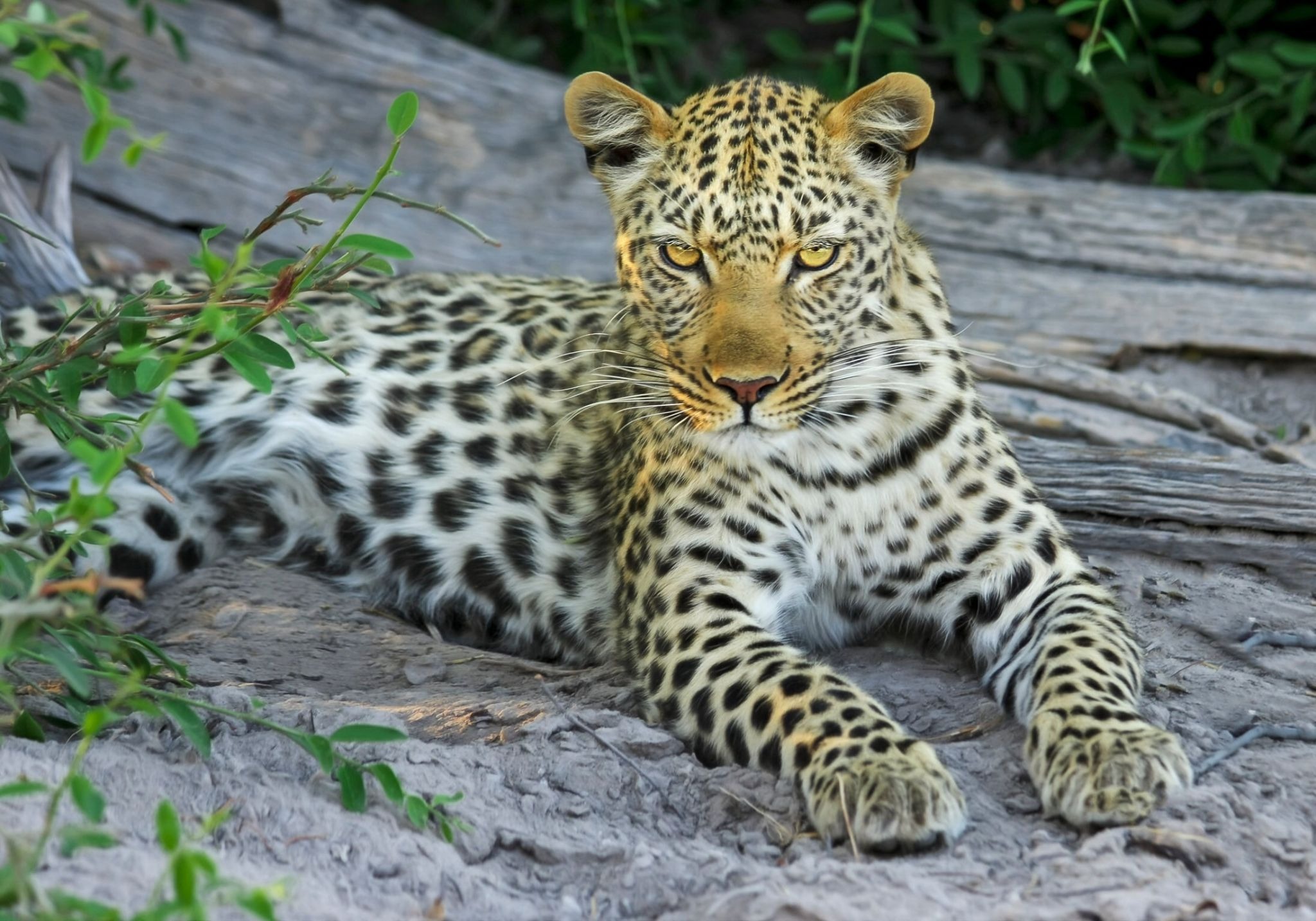
If seeing a wild Sri Lankan leopard is high on your wish list, Yala is an obvious place to consider. Situated in the island's south-east, the park is internationally known for its leopard population and supports a wide variety of other wildlife.
The landscape changes as you travel through it. Open scrub gives way to woodland, rocky outcrops rise above the vegetation, and lagoons provide habitat for birds and other animals. During a safari, you might spot spotted deer grazing beside a track, waterbirds feeding near a wetland or an elephant moving between patches of forest.
What wildlife can you see in Yala?
Leopards are the headline attraction, but they are far from the only reason to visit. Asian elephants, sloth bears, crocodiles, wild boar, deer and an impressive range of birdlife also inhabit the park.
The drier periods can make wildlife easier to spot in some areas as vegetation thins and animals visit remaining water sources. However, leopard sightings are never guaranteed, and a busy morning does not automatically mean a better safari.
What about crowds?
Yala's popularity is its main drawback. In particularly busy areas, several jeeps may gather around a reported leopard sighting. This can create exciting viewing opportunities, but it may also feel hectic if you imagined a quiet encounter with nature.
You can improve the experience by choosing a suitable safari time, travelling outside peak holiday periods when possible, and selecting a responsible operator who respects wildlife and other visitors. A private jeep gives you your own space, although it cannot control how many other vehicles are in the park.
Who should choose Yala?
Yala is a strong option for first-time safari visitors who want a broad wildlife experience and have a particular interest in leopards. It also fits naturally into many southern Sri Lanka itineraries, especially when combined with Ella, Tissamaharama or the south coast.
Before deciding, explore the Yala National Park destination guide for more information about its habitats and safari experience.
2. Wilpattu National Park: Best for a Quieter Wilderness Experience
Wilpattu feels different from Yala almost as soon as you begin travelling through its forest tracks. Located in north-western Sri Lanka, it is the island's largest national park, covering approximately 1,317 square kilometres.
Its defining feature is the villu: a natural, often sand-rimmed depression that collects rainwater. These lakes interrupt the dry-zone woodland, creating attractive openings where birds gather and animals may come to drink.
For travellers who enjoy the feeling of exploring a vast natural landscape, Wilpattu has a particular appeal. Rather than moving between wide-open views, you may spend much of your safari watching the edges of the track, looking for movement between trees or stopping beside a still lake.
What wildlife can you see in Wilpattu?
Leopards are among the park's most sought-after residents, and Wilpattu also provides habitat for sloth bears, elephants, spotted deer, wild boar, water buffalo, crocodiles and many bird species.
A Wilpattu safari can be especially rewarding for travellers who enjoy tracking animals rather than expecting constant sightings. Dense vegetation can make wildlife difficult to see, even when animals are nearby. Patience matters, and a good guide can help you notice tracks, alarm calls and subtle movement in the forest.
Is Wilpattu less crowded than Yala?
Wilpattu generally attracts fewer visitors than Yala, giving it a reputation for a more peaceful safari atmosphere. That does not mean you will always have the park to yourself, and sightings of a leopard can still draw several jeeps together.
The experience is often more about the landscape and the search itself. You may spend time travelling through forest, stopping at villus and watching birds before seeing a larger mammal. If you enjoy quiet observation and don't need a dramatic sighting every few minutes, this can be part of the appeal.
Who should choose Wilpattu?
Wilpattu is a good fit for wildlife enthusiasts, photographers who appreciate natural scenery, and travellers who want to explore beyond Sri Lanka's busiest tourist circuit.
It also combines well with Anuradhapura, one of Sri Lanka's most important ancient cities. You can spend time exploring historic stupas and sacred sites, then head into the park for a completely different experience.
For more detail on the park's landscape and planning considerations, see the Wilpattu National Park destination guide.
3. Udawalawe National Park: Best for Elephant Encounters
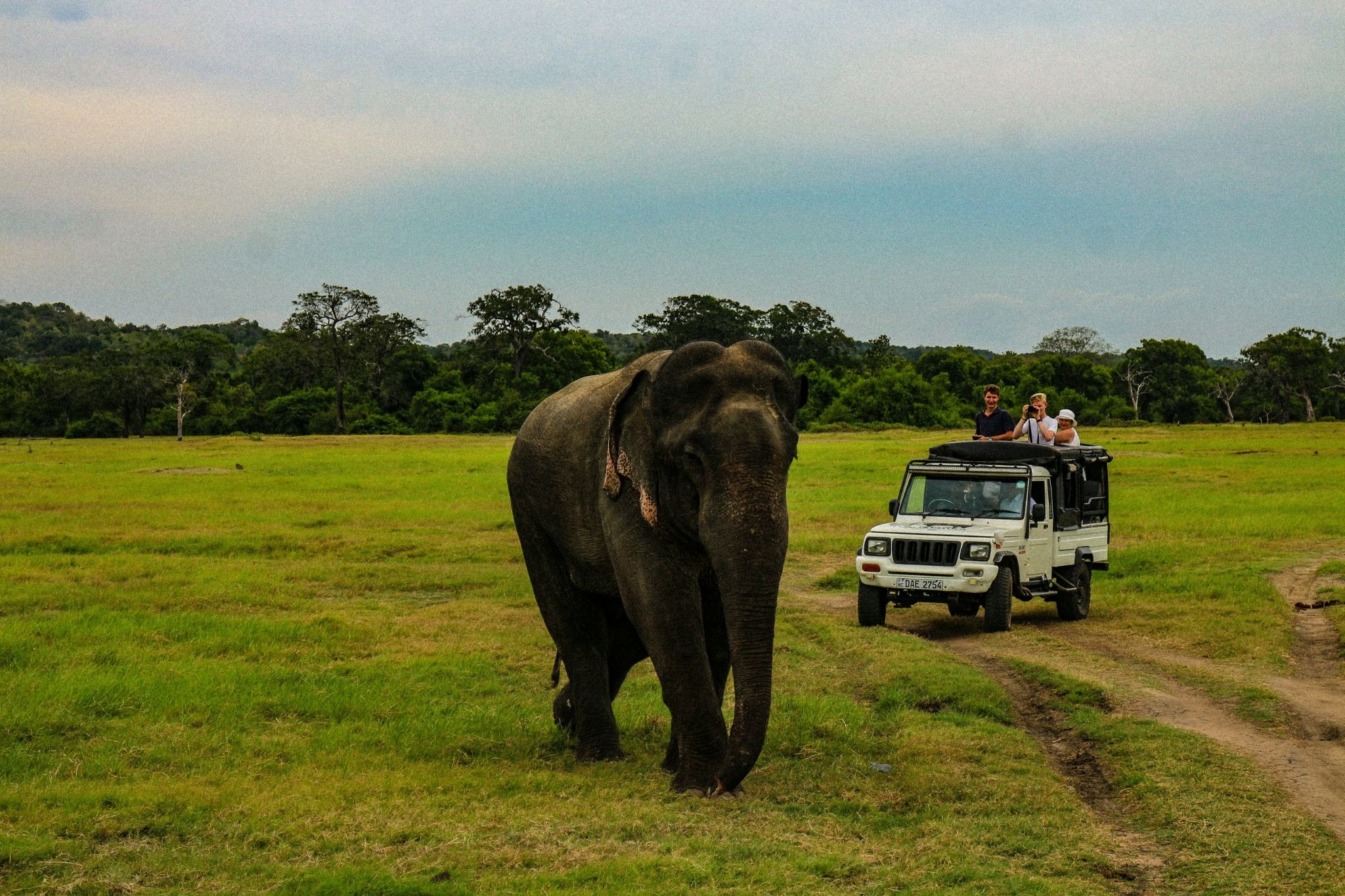
If elephants are the animals you most want to see, Udawalawe deserves serious consideration. Located in southern Sri Lanka's interior, the park is particularly well known for its Asian elephants and offers a different safari experience from the forest-heavy landscapes of Wilpattu.
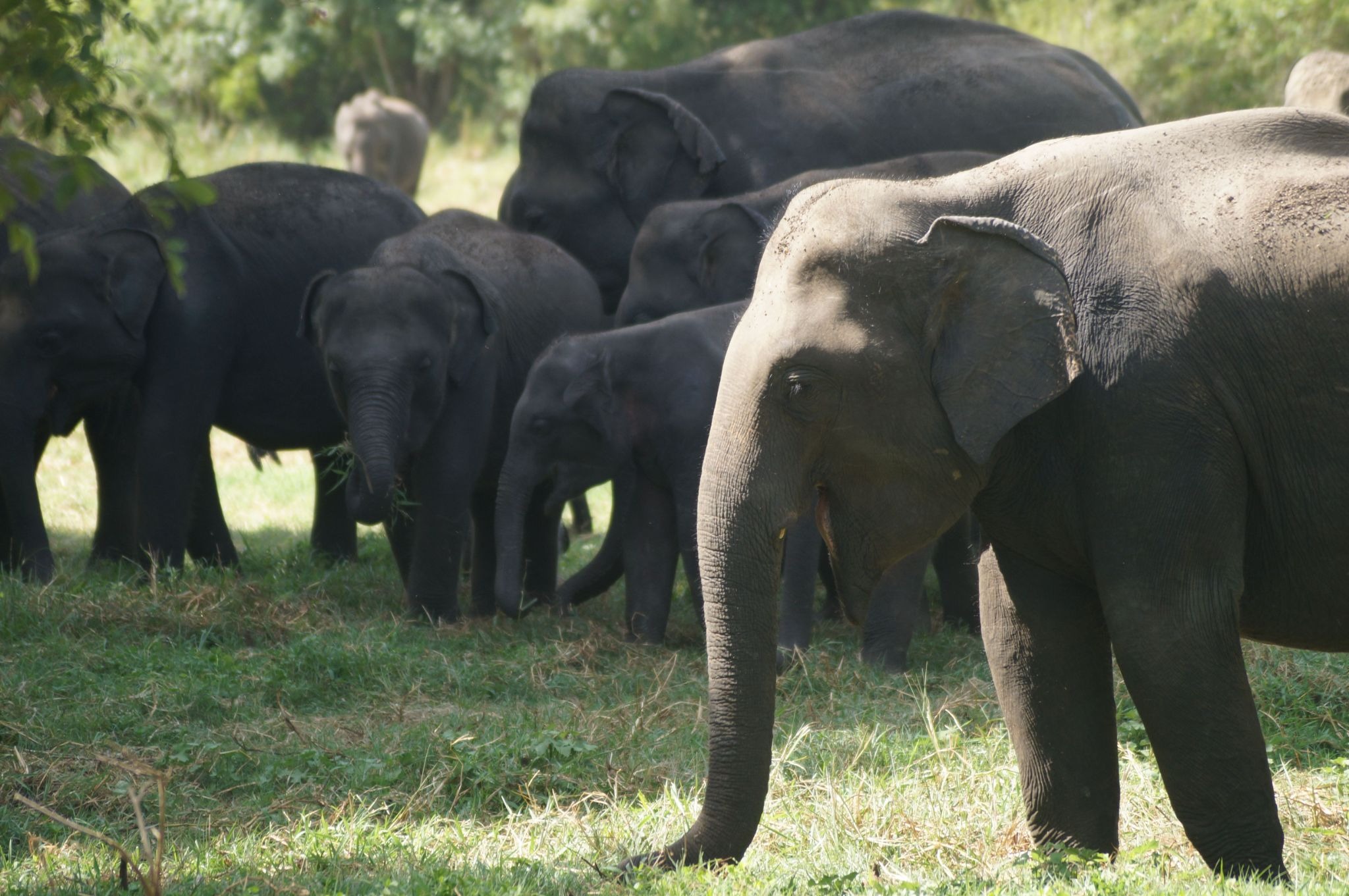
Open grassland, scrub and the surroundings of the Udawalawe Reservoir create habitats where elephants can sometimes be observed feeding, walking between areas or gathering in small groups. The more open landscape can make it easier to see large animals than in dense woodland, although sightings still depend on conditions.
What wildlife can you see in Udawalawe?
Elephants are the main attraction, but the park also supports water buffalo, deer, crocodiles, monitor lizards and a variety of birds. Keep an eye on the edges of grassland and near water, where animals may be feeding or moving between habitats.
Udawalawe is often a particularly satisfying choice for families and first-time safari visitors. The possibility of seeing elephants in their natural environment is exciting for adults and children alike, and the landscape can make observing their behaviour easier.
For a more responsible wildlife experience, look for natural behaviour rather than close contact. Elephants should never be fed or approached outside appropriate, regulated viewing conditions.
Is Udawalawe better than Yala?
That depends on what you mean by “better.” If your priority is elephants, Udawalawe may be the more suitable choice. If you are especially interested in leopards and want a wider variety of habitats, Yala may be a better match.
Udawalawe is not simply an alternative for people who cannot visit Yala. It has its own character and can be the stronger choice when elephants are the main reason for going on safari.
Who should choose Udawalawe?
Choose Udawalawe if you want to focus on elephants, are travelling with children, or plan to travel between Ella and the southern coast. Its location can make it a convenient stop on a route through the central highlands and southern interior.
You can also learn more about elephant viewing and park planning in the Udawalawe National Park elephant safari guide.
Which Park Has the Best Wildlife Density?
This is where a simple ranking becomes misleading. A park's overall wildlife diversity, the number of animals living in a particular habitat and the chance of seeing a species during one safari are three different things.
Yala is well known for its leopard population, and certain areas have a strong reputation for leopard sightings. That makes it a natural choice for visitors hoping to see the species, but it does not guarantee a sighting on any particular morning.
Wilpattu also supports leopards, but its extensive forest and varied terrain can make animals harder to spot. A leopard may be close to the track and remain hidden behind vegetation. The challenge is part of the experience, but it can frustrate visitors expecting an easy photograph.
Udawalawe is particularly associated with elephants. Its more open areas can provide clear views of these large mammals, making it a strong choice if you want to observe elephant behaviour rather than spend most of your safari looking for a leopard.
The practical lesson for choosing a safari park is simple: focus on the animal or experience that matters most to you, rather than treating a park's reputation as a promise.
Which Park Is the Least Crowded?
If avoiding crowds is important, Wilpattu is often the first park to consider. It generally sees fewer visitors than Yala, and its scale and forested landscape can give a safari a more secluded feel.
Yala is the best-known of the three for leopard safaris, which brings greater demand, particularly during popular travel periods. When a leopard is reported, vehicles may gather at the same location. The number of jeeps you encounter depends on the area, time and day.
Udawalawe can also be popular, especially around elephant sightings, but the experience is often centred on finding and observing herds in open habitat.
No park is guaranteed to be quiet. If a peaceful atmosphere matters more than ticking off a particular animal, consider travelling during less busy periods and choose an operator who prioritises respectful wildlife viewing.
Best Time to Visit Yala, Wilpattu and Udawalawe
Sri Lanka's weather varies by region, and rainfall can change wildlife viewing conditions. These broad seasonal patterns can help you plan, but they should not be treated as fixed rules.
Yala
February to July is often recommended for Yala, with drier conditions in many areas helping wildlife viewing. Some sections may close temporarily for management or conservation, so check current park access before travelling.
Wilpattu
February and October are commonly cited as favourable months, although the experience changes with rainfall and water levels. Drier periods may make some animals easier to find around available water, while rain can make the forest lush and beautiful.
Udawalawe
Udawalawe can be rewarding throughout much of the year. In drier conditions, elephants may be easier to observe in open areas or near water, but seasonal movement and local conditions affect where they appear.
For any park, early morning and late afternoon are popular safari periods because temperatures are generally cooler and wildlife may be active. Confirm the available safari slots and entry arrangements when booking.
Which Safari Park Fits Your Sri Lanka Itinerary?
The best park is not only the one with your favourite animal. It is also the one that fits your route without adding hours of unnecessary driving.
Choose Yala if you are exploring the south-east, staying around Tissamaharama, or travelling between Ella and the southern coast with leopards high on your wish list.
Choose Wilpattu if your itinerary includes Anuradhapura, the north-west or the Cultural Triangle and you want a forest-based safari with natural lakes.
Choose Udawalawe if you are travelling between Ella and the south coast and want to prioritise elephants.
For a short holiday, one well-planned safari is often better than rushing between multiple parks. If you have more time and wildlife is a major interest, combining two parks can offer a more varied experience. Yala and Udawalawe, for example, provide a useful contrast between a leopard-focused safari and an elephant-focused one.
Can You Visit Two or All Three Parks?
You can visit more than one park, but consider the time spent travelling and changing accommodation. Yala and Udawalawe are often easier to combine in a southern or south-eastern itinerary than either is with Wilpattu, which lies much farther north.
Wilpattu can work well alongside Anuradhapura and other northern destinations. Adding it to a southern safari route may require extra driving and additional nights, so it makes the most sense when you have a longer holiday.
A private round tour can help you build a route around your arrival point, travel dates and interests, while leaving enough time for each destination. The aim should be to enjoy the wildlife rather than collect park names.
Final Verdict: Which Is the Best National Park in Sri Lanka?
For a leopard-focused safari, start with Yala. For elephants, Udawalawe is an excellent choice. For a quieter-feeling wilderness experience shaped by forest and natural lakes, consider Wilpattu.
That is the most useful answer to the Yala vs Wilpattu vs Udawalawe debate: the best park is the one that matches your wildlife priorities, preferred atmosphere and travel route. None can guarantee a sighting, but each offers a different way to experience Sri Lanka's natural world.
If you are planning a wildlife-focused holiday, explore Gecko Travels Lanka's Sri Lanka wildlife and safari experiences and build your route around the parks that genuinely interest you. With a thoughtful itinerary, your safari can become a highlight of the trip rather than another rushed stop.